

" height="9.999999245021px" id="ZNb4BWTAS" transform="translate(0 0)" width="9.99999842543px"/></svg>)

Sector development
Article
The growing labor shortage in European agriculture: a challenge for the future
Aging population threatens the continuity of farms
One of the greatest challenges within European agriculture is the age structure of farmers and farm managers. According to figures from Eurostat, in 2020 as many as 33.5% of family farm managers were 65 years or older. But what is particularly striking is that no less than 77.8% are over 45 years old. A target group that, in theory, will retire in 20 years. All of this while only 6.5% were under 35 years old.
This skewed age distribution creates a so-called "inverted age pyramid." Many farms will face a business transfer in the coming years, but there are insufficient young entrepreneurs available to take over these companies. This threatens not only a loss of knowledge but also a further decline in the number of active farms.
Three million farms disappeared in ten years
The structural changes in the sector are already visible. Between 2010 and 2020, approximately three million farms disappeared within the European Union. The majority of these disappeared businesses were family farms.
Although family farms still form the backbone of European agriculture – representing about 93% of all farms in the EU – their numbers are rapidly declining. In particular, farms that rely entirely on family labor are disappearing at a fast-moving pace.
This development has direct consequences for the availability of labor. When family members are no longer available to work on the farm, there is a greater dependency on external employees. Precisely there, a growing problem arises.
Family farms depend on labor
Family farms still provide a large portion of the labor within European agriculture. In 2020, approximately 78% of all agricultural labor was performed on family farms. In addition, they manage approximately 61% of the agricultural land and are responsible for about 56% of total agricultural production.
Yet, it is becoming increasingly difficult to find enough staff for seasonal work, harvesting, livestock farming, and specialist roles. The physical strain of the work, long working hours, and the appeal of other sectors make agriculture less attractive as a career choice for many young people.
Increasing competition in the labor market
The agricultural sector increasingly competes with logistics, engineering, industry, and services for the same employees. Particularly in Western Europe, many workers can earn higher salaries elsewhere under less strenuous working conditions.
In addition, stricter immigration rules, changing labor legislation, and a declining availability of seasonal workers mean that many farms struggle to cope with peak periods.
Labor-intensive sectors such as horticulture, fruit growing, and greenhouse cultivation are experiencing major challenges because of this.
Why young farmers are essential
To ensure the continuity of European agriculture, the European Union is strongly committed to attracting young farmers. Through the Common Agricultural Policy (CAP), young farmers are supported with income support, investment grants, training, and start-up premiums.
This support is desperately needed. Young entrepreneurs not only bring new energy and innovation to the sector, but are also often quicker to invest in automation, digitalization, and sustainable production methods. Precisely these developments can help partially reduce dependency on labor.
Technology as part of the solution
Many farms are now investing in automation to cope with staff shortages. For example:
Milking robots in livestock farming;
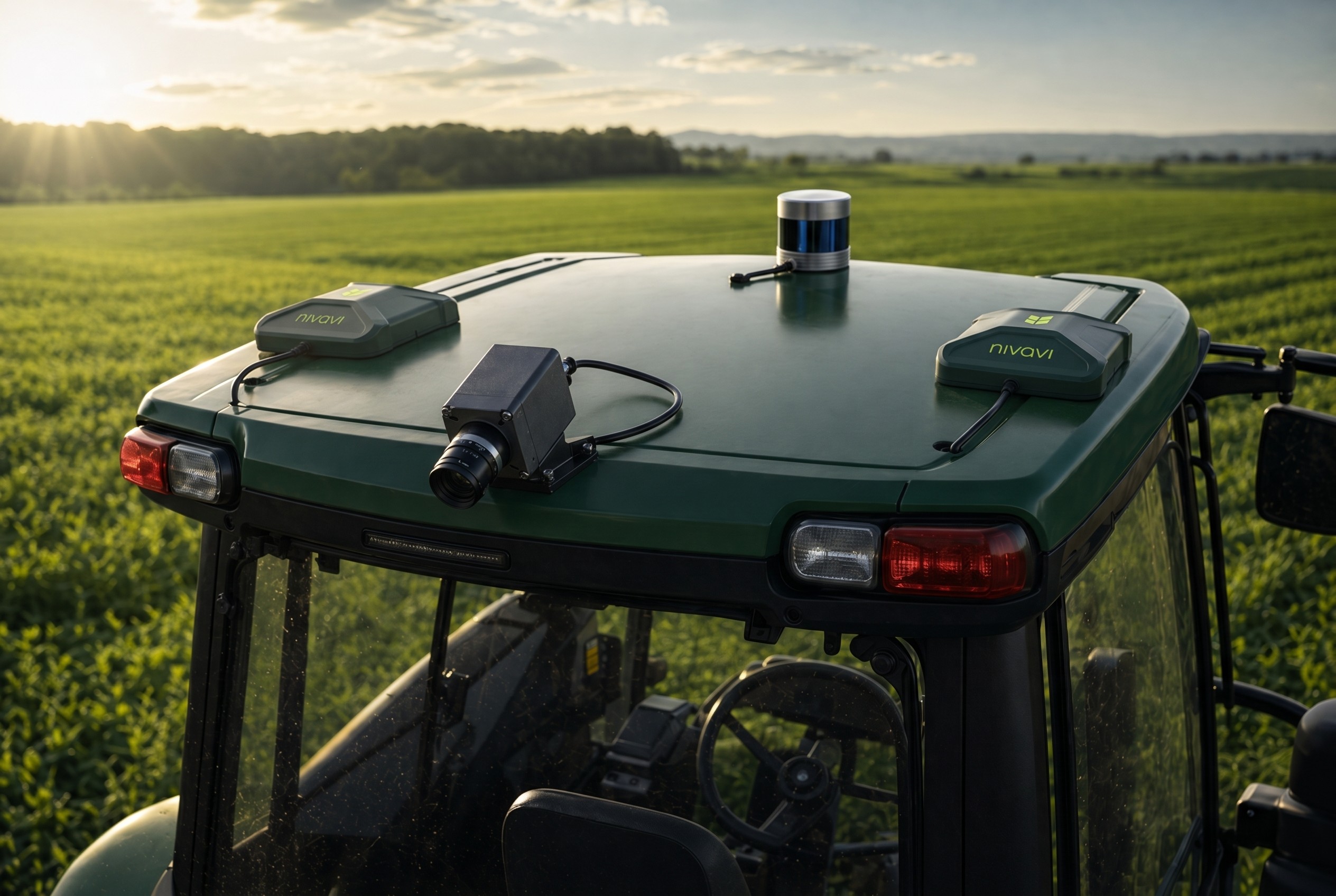
Robot tractors;
Harvesting robots;
Sensors for crop monitoring;
Smart collars for grazing;
Although technology cannot replace all labor, it does help businesses work more efficiently and increase productivity.
The future of European agriculture
The labor shortage in agriculture is not a temporary issue, but a structural challenge. The combination of an aging population, business closures, and a limited influx of young entrepreneurs is putting the sector under pressure.
At the same time, the demand for food continues to grow and sustainability requirements are becoming increasingly strict. To address these challenges, investments are needed in education, innovation, business succession, and labor market policy.
The future of European agriculture will largely depend on the success with which new generations of farmers are attracted and retained. Without enough people on the land, Europe's food security will ultimately also come under pressure.